Travel Guide to Asia

Destination Africa

Safari adventures and cultural experiences

Africa: The Continent of Unforgettable Experiences

Africa is a land of myth and reality, a vast and diverse continent that defies simple description. It is the cradle of humanity, a place where ancient history and vibrant modern life coexist. From the sun-drenched savannas teeming with wildlife to the bustling souks of North Africa, a journey here is not just a vacation; it's a profound and transformative experience. Whether you're a thrill-seeker, a history buff, or a nature lover, Africa offers an adventure unlike any other. This guide will take you through the continent's best and most unique places to visit, as well as its incredible culinary landscape, ensuring your trip is nothing short of legendary.

Flights to Africa

The Best and Most Unique Places to Visit in Africa

The sheer scale of Africa means its attractions are spread far and wide, each offering a distinct flavor of the continent. From the iconic safari parks to ancient ruins and breathtaking natural wonders, here are some of the most unique and rewarding places to explore.

Unforgettable Safari Experiences

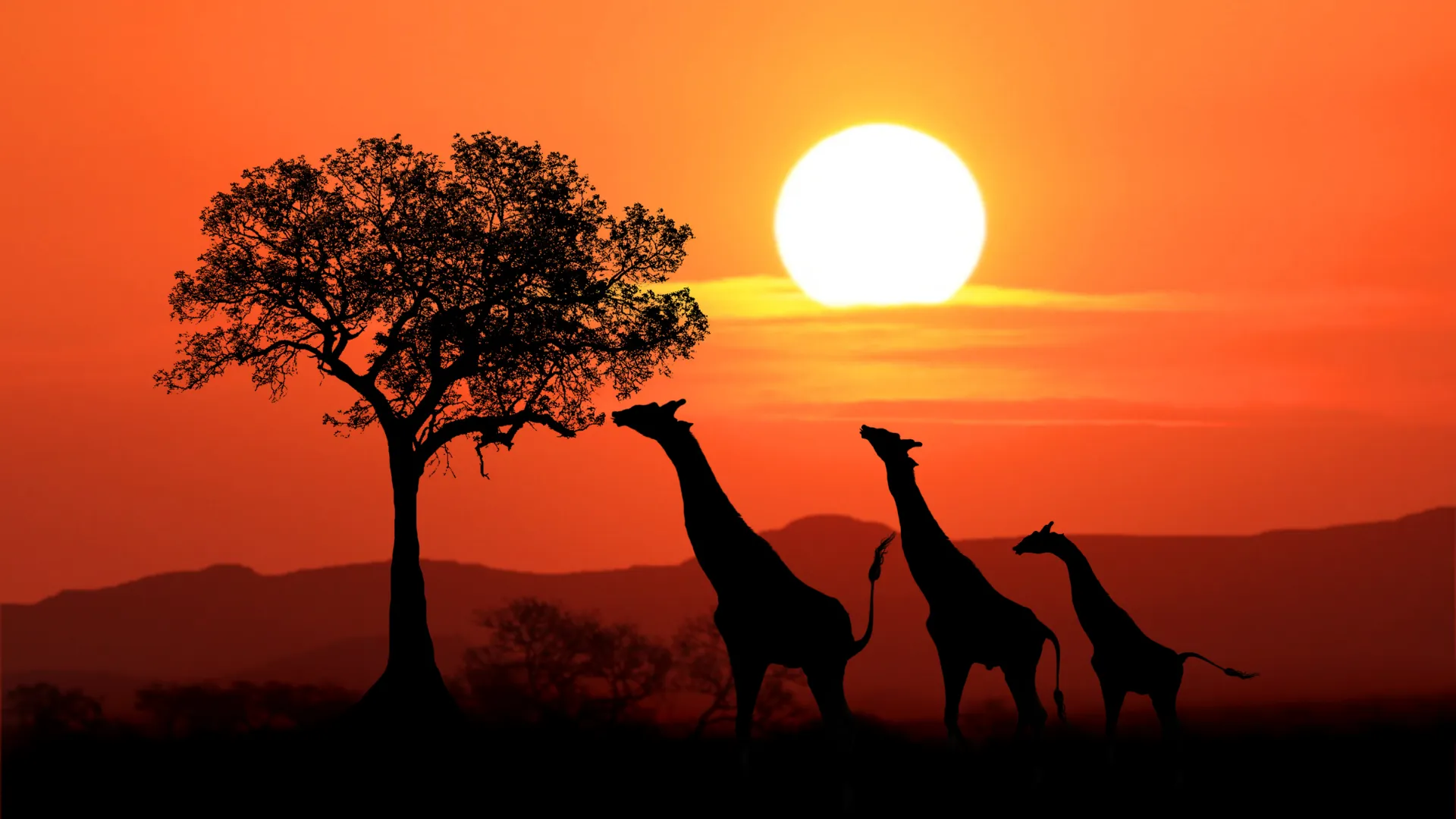
No trip to Africa is complete without a safari. These are not just wildlife tours; they're immersive experiences that place you in the heart of nature's greatest theatre.

  • Serengeti National Park, Tanzania: The name "Serengeti" comes from the Maasai word for "endless plains," and the landscape lives up to its name. Home to the Great Migration, where millions of wildebeest, zebras, and gazelles thunder across the plains in search of fresh grazing lands, it's one of the most spectacular natural events on Earth. Beyond the migration, the Serengeti offers incredible year-round wildlife viewing, with the highest concentration of predators in the world, including lions, cheetahs, and leopards.
  • Masai Mara, Kenya: The Masai Mara is the northern extension of the Serengeti ecosystem. It's famous for its abundant wildlife, a stunning landscape, and the iconic Maasai people, whose vibrant culture and traditional way of life are an integral part of the experience. Watching a pride of lions from a hot air balloon at sunrise over the Mara is a memory that will last a lifetime.
  • Kruger National Park, South Africa: Kruger is one of the world's most famous game reserves, offering a classic safari experience. It's renowned for its high density of the Big Five (lion, leopard, rhino, elephant, and buffalo). The park is well-maintained and offers a variety of accommodation options, from luxury lodges to self-catering rest camps, making it accessible to a wide range of travellers.

Ancient Wonders and Historical Sites

Africa's history is written in stone, from the pyramids of the pharaohs to the medieval cities of the Sahara.

Breath taking Landscapes and Natural Wonders

The continent’s landscapes are as diverse as its cultures, ranging from colossal waterfalls to vast deserts and snow-capped peaks.

    • Victoria Falls, Zambia/Zimbabwe: Known locally as "Mosi-oa-Tunya" or "The Smoke that Thunders," Victoria Falls is one of the world's largest waterfalls. The sheer volume of water cascading over the cliff edge creates a mist that can be seen for miles. Adventurous travellers can go white-water rafting on the Zambezi River or even swim in the Devils Pool, a natural rock pool right on the edge of the falls.
    • Sahara Desert, Morocco: The Sahara is the world's largest hot desert, and experiencing it first hand is an unforgettable adventure. Ride a camel over the rolling dunes of Erg Chebbi, spend the night in a traditional Berber camp under a blanket of stars, and watch the sun rise over a silent, endless expanse of sand.
    • Mount Kilimanjaro, Tanzania: The highest peak in Africa and the world's tallest free-standing mountain, Kilimanjaro is an icon. While climbing it is a serious challenge, the reward is an unparalleled view from the "Roof of Africa." You don't have to be a seasoned mountaineer to appreciate its majesty; the views from its lower slopes are just as spectacular.
    • Pyramids of Giza, Egypt: Standing on the Giza Plateau, the Great Pyramid of Khufu is the last remaining of the Seven Wonders of the Ancient World. These magnificent structures are a testament to the ingenuity of the ancient Egyptians and a must-see for anyone interested in history. Explore the tomb of Pharaoh Tutankhamun in the Valley of the Kings and sail down the Nile River to get a full sense of this civilization's grandeur.
    • Lalibela, Ethiopia: Often called the "New Jerusalem," Lalibela is a collection of 11 monolithic, rock-hewn churches carved directly out of the earth in the 12th century. These incredible structures are connected by trenches and passages, creating an underground complex that is a true architectural marvel and a significant site of pilgrimage for the Ethiopian Orthodox Church.
    • Timbuktu, Mali: Once a centre of Islamic scholarship and a hub of the trans-Saharan trade route, Timbuktu's name still evokes a sense of mystery and adventure. Its ancient mud-brick mosques and libraries hold thousands of precious manuscripts, offering a window into a golden age of African intellectualism and trade.

A Culinary Journey: A Taste of Africa

African cuisine is as diverse as its geography, with each region offering its own unique flavors, spices, and cooking styles. From bustling street food stalls to sophisticated fine dining, a journey through Africa is a feast for the senses.

From Street Food to Fine Dining

    • North Africa: The food of North Africa is a fragrant blend of Mediterranean, Middle Eastern, and Saharan influences. In Morocco, you can't miss a tagine, a slow-cooked stew of meat or vegetables, fragrant with spices like saffron and cinnamon. Try some couscous or a rich and flavorful harira soup. In Egypt, street food is king; try a delicious koshari, a hearty mix of rice, macaroni, lentils, and chickpeas topped with a spicy tomato sauce.
    • East Africa: The cuisine of this region is characterized by stews and grilled meats. In Ethiopia, the staple is injera, a spongy, sourdough flatbread used to scoop up spicy stews like doro wat (chicken stew) and mesir wat (lentil stew). In Kenya, nyama choma (grilled goat meat) is a national favorite, best enjoyed with friends in a local eatery.
    • South Africa: South Africa is a culinary melting pot. Don't leave without trying a braai, the local version of a barbecue. Meat is a central part of the cuisine, from biltong (cured, dried meat) to the spicy sausages known as boerewors. The Cape Malay cuisine of Cape Town is another highlight, with its fragrant curries and colorful samosas, a unique fusion of South Asian and African flavors.

The Coffee and Tea Culture

Africa's contribution to the world's beverage culture is immense.

  • Ethiopian Coffee Ceremony: Coffee was discovered in Ethiopia, and the ritual of making and serving it is a social event. An Ethiopian coffee ceremony, with its roasting, grinding, and brewing, is a must-do cultural experience. The resulting coffee is strong, fragrant, and a true taste of a local tradition.
  • Kenyan Tea: While coffee gets all the attention, Kenya is also one of the world's largest tea producers. The tea is rich and robust, often enjoyed with milk and sugar. A cup of chai in Kenya is the perfect way to start your day.

Places To Xplor In Africa

Click on any of the tours below to see more.

Practical Travel Tips for Africa

Planning a trip to Africa can be complex, so here are a few essential tips to help you on your way.
  • Visa Requirements: Visa policies vary widely between countries. Check the specific requirements for your destination well in advance. Some countries, like Kenya and Tanzania, offer e-visas, which simplifies the process.
  • Health and Safety: Consult a travel doctor at least two months before your trip. Vaccinations for yellow fever, typhoid, and hepatitis are often recommended. Be aware of malaria risks and take appropriate precautions.
  • Best Time to Visit: The best time to visit Africa depends on your destination and what you want to do. For safaris, the dry season (June to October) is ideal for wildlife viewing. For North Africa, spring (March to May) and autumn (September to November) offer pleasant temperatures.
  • Getting Around: Inter-country travel can be challenging. For safaris, small planes are often used to cover vast distances quickly. Within cities, taxis and ride-sharing apps are common, but it's always wise to check local safety advice.

Conclusion

Africa is a continent of contrasts and endless possibilities. It's a place where you can witness the raw power of nature, walk in the footsteps of ancient civilizations, and connect with vibrant cultures. The experiences here are so unique and so profound that they will stay with you long after you've returned home. This is more than a trip; it's a journey into the heart of a continent that pulses with life and history. An adventure to Africa is an investment in stories you’ll tell for a lifetime.

North America

Travel Guide
New York City, Canadian Rockies,
and more
Go Explore

South America

Travel Guide
Machu Picchu, Rio de Janeiro,
and Patagonia
Go Explore

Australia & Oceania

Travel Guide
Sydney, Great Barrier Reef, and
island escapes
Go Explore
Privacy PolicyCookies
Copyright © 2026 ClickXplor
earth linkedin facebook pinterest youtube rss twitter instagram facebook-blank rss-blank linkedin-blank pinterest youtube twitter instagram